In a world filled with conflict and strife, the pursuit of just peace becomes even more crucial. This June, a gathering of scholars embarked on an exploration of the interplay between scripture, theological insights, and the attainment of a harmonious world. With a panel comprising 23 presenters of diverse backgrounds, this conference delved deep into various church traditions, historical perspectives, and systematic dimensions to shed light on the path towards a just and peaceful society.
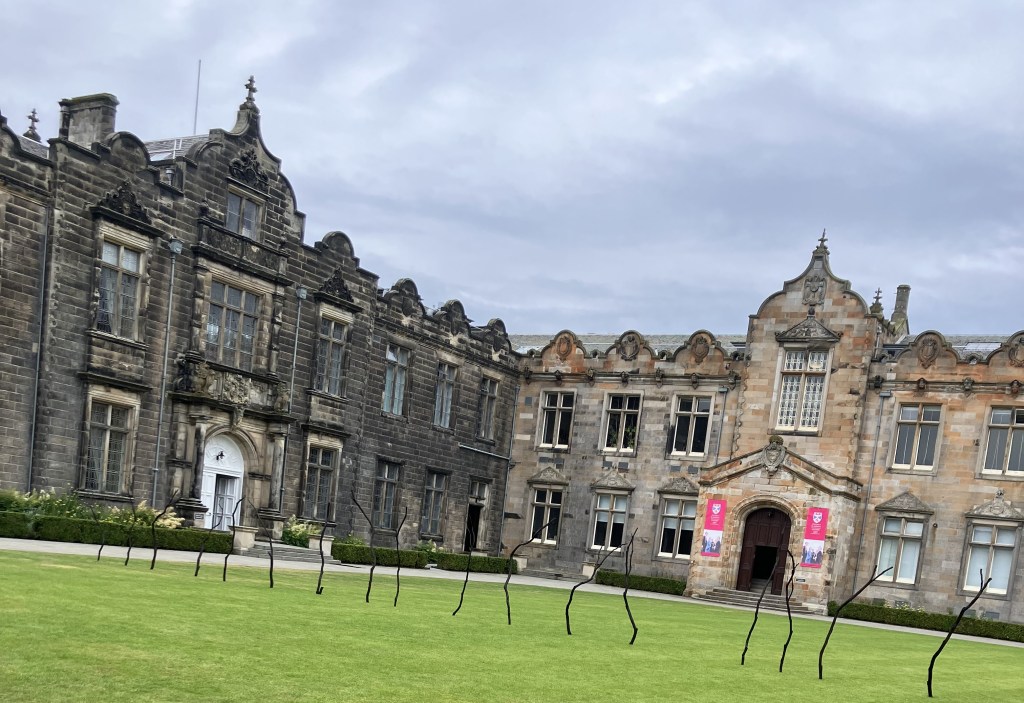
The conference commenced with a closed panel session chaired by Elisabeth Maikranz and Michael Borowski. The panelists, representing different church traditions, offered their unique perspectives on just peace. Presenters included Herman Selderhuis, Friederike Nüssel, Markus Iff, and Maria Helena Guerra Pratas. The session stimulated thoughtful discussions and set the tone for the subsequent days.
Following the closed panel, the conference transitioned into book discussions. Contributions included Mark Elliott on Christopher Watkin’s Biblical Critical Theory, Joshua Maurer’s analysis of David Starling’s work on hermeneutics as apprenticeship and Tomas Bokedal and Michael Borowski’s discussion on Scot McKnight and Hans Boersma’s work on scripture and theology in interaction.
The second day featured an open panel on just peace chaired by Maria Helena Guerra Pratas. The session commenced with historical insights on just peace, with presentations from Jacob Astudillo and Ivana Noble. Astudillo explored the virtues of peace through Thomas Aquinas’s commentary on the book of Isaiah, while Noble examined the Christ-centered vision of Jan Hus, emphasizing hope, empathy, and just peace.
Another open panel, chaired by Tomas Bokedal, further expanded on historical insights and contextual approaches to just peace. Stefan Silber delved into the critical re-reading of scripture and tradition in Pope Francis’s documents, statements, and praxis, while Arttu Mäkipää explored the relationship between justice and peace in conflict settings.
In the afternoon, Frederike van Oorschot chaired a panel that discussed the systematic dimensions of just peace. Presenters included Arnold Huijgen, who examined the challenge of eternal just peace in the context of hell, and Hans Burger, who explored the necessity of peace with the non-human creation in the face of the ecological crisis. David Stuart highlighted the importance of dialogue and penultimate hermeneutics to overcome polarization and foster peaceful relations.
The day concluded with the traditional “Scripture & Theology Dinner”.
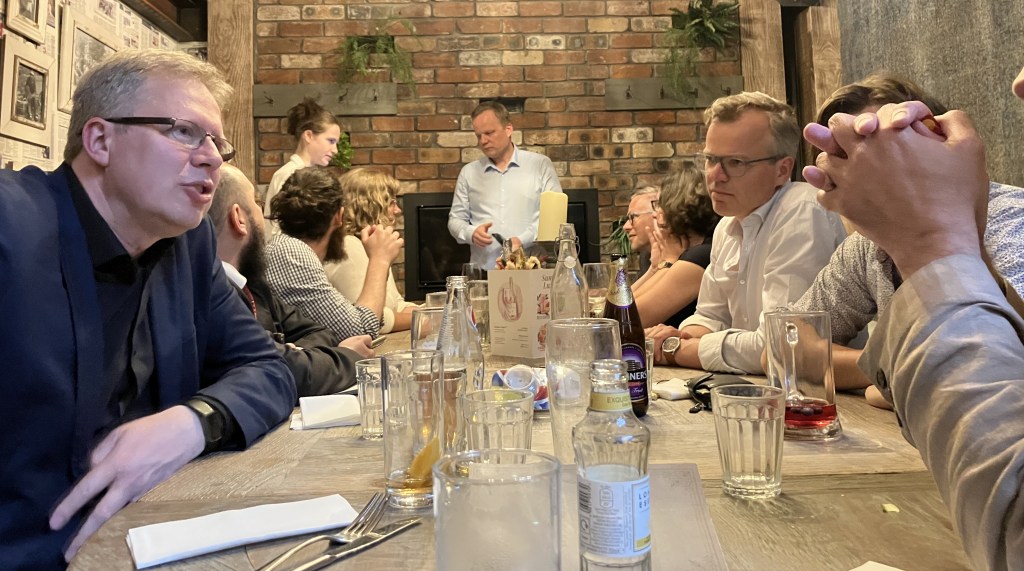
The third day commenced with a session on biblical accounts of just peace. Mart Jan Luteijn addressed Ambrose of Milan’s perspective on cities of refuge, while Tim Noble explored the criteria for inclusion and exclusion in relation to just peace. Willibald Sandler took a kairological approach to understand and practice just peace as found in the Sermon on the Mount.
The conference continued with a session on contextual approaches to just peace chaired by Ron Michener. Chung-Hyun Baik discussed hermeneutical diversity between the gospel and just peace in the context of the South-North Korea Reunification on the Korean Peninsula. Drew T. Everhart explored the theme of reparations in the bible and its relevance to addressing racial injustice.
The final day of the conference centered on general contributions to scripture, theology, and hermeneutics. Presenters included Cameron Shaffer, who examined the rule of faith and covenant in the epistle to the Hebrews. Tomas Bokedal focused on the broken relationship between scripture and theology through an exploration of Marcion’s new teaching and its impact on ecclesial crisis. Nok-Ki Yeung engaged in a dialogue with John Webster, reconsidering the theology and peace of the church.
The panel took place, once again, in course of the annual meeting of the European Academy of Religion, which was held this year in St. Andrews, Scotland. We are thankful to the organizers, who have done a wonderful job at this historic site, the University of St. Andrews.
 The Scripture&Theology Forum
Leave a comment