The S&T 2024 workshop, hosted again at the European Academy of Religion in Palermo, brought together theologians and biblical scholars to reflect on the evolving relationship between Scripture and theology. Across two days of presentations and discussions, participants explored how these fields engage with both historical and contemporary issues.
Day One: Revisiting the Past to Inform the Present
The first day centered on the historical roots of Scripture and theology, examining how ancient texts and interpretations continue to shape contemporary theological discourse. Topics ranged from the shaping of the Word of God in the Book of Ezekiel to intertextual readings in Luke, offering insights into how early Christian texts participated in the theological construction of their time. These discussions set the tone for further reflections on the ongoing relevance of biblical interpretation for theological reflection today.
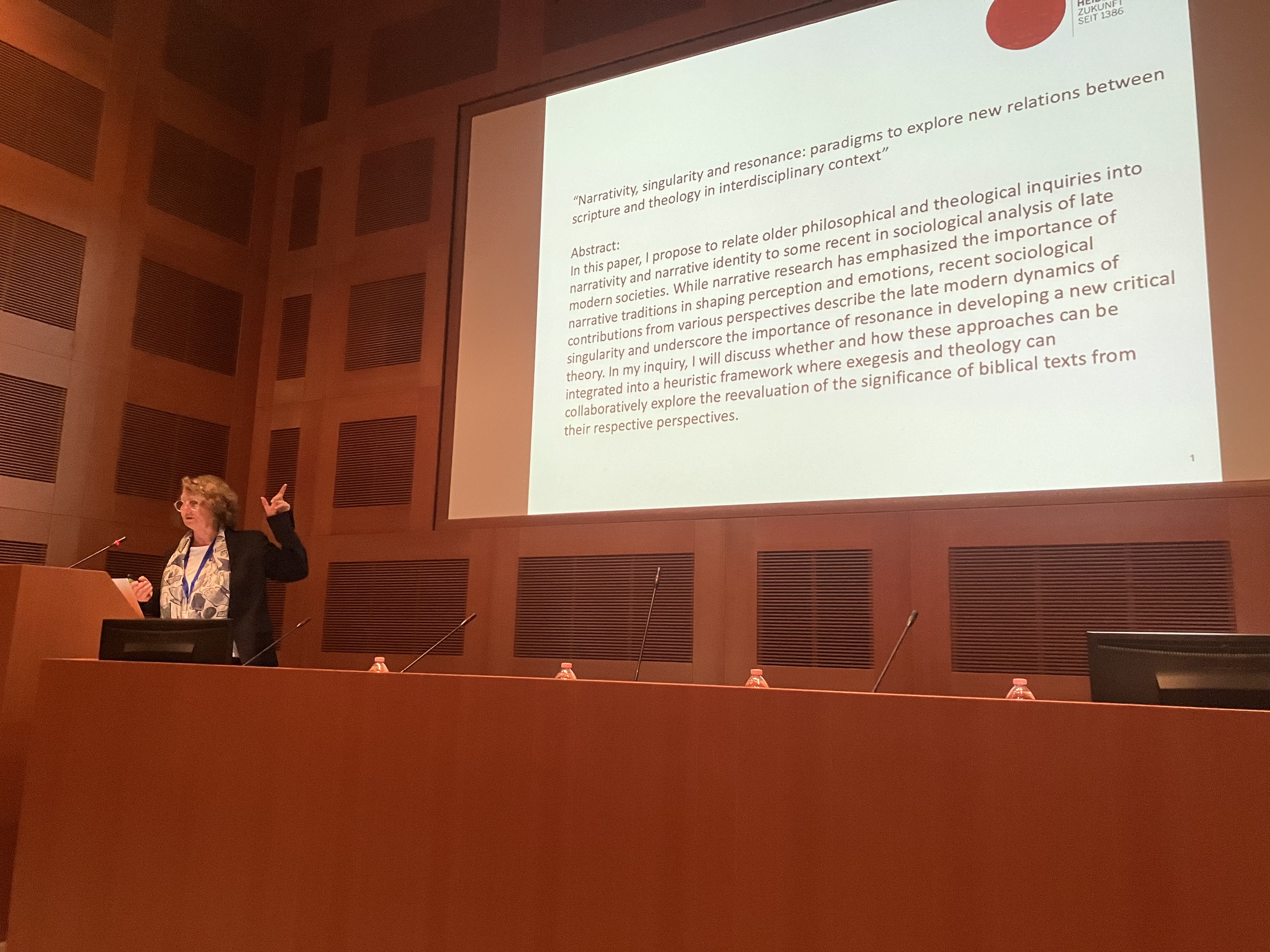
The sessions also engaged theological method in relation to scriptural texts. Presentations addressed ancient textual practices, like the use of Nomina Sacra in New Testament writings, and considered how doctrines such as the Trinity remain deeply tied to scriptural foundations. These topics prompted thoughtful dialogue about the balance between historical exegesis and doctrinal development.
Day Two: Looking Toward the Future
The second day shifted the focus to present and future concerns, both in academia and society. Presentations explored themes such as narrativity and resonance in theological paradigms, the role of hermeneutics in shaping theological interpretation, and the ongoing dialogue between science and theology. These discussions raised important questions about how interdisciplinary conversations might influence future approaches to both biblical studies and theological inquiry.
Another recurring theme was the openness of Scripture to new interpretations, particularly in light of the Spirit’s role in guiding theological understanding. The interplay between scriptural interpretation and metaphysical inquiry was examined, demonstrating the ways in which theology remains a dynamic and responsive discipline.
The societal dimension of theology was also a key part of the day’s discussions, with presentations addressing issues like biblical and theological illiteracy, and the challenges faced by theology in culturally diverse contexts. These sessions invited participants to consider the responsibilities of theologians and biblical scholars in addressing pressing contemporary issues.
Concluding Reflections on Christian Doctrine The final session brought participants together to discuss McGrath’s recent The Nature of Christian Doctrine. Through contributions from a range of scholars, this discussion highlighted the ongoing debates about the development of doctrine and its relevance in the face of current theological and societal challenges. It provided a fitting end to the workshop, with participants reflecting on how the future of theology might be shaped by both continuity and change.
Looking Forward
Overall, the S&T 2024 workshop provided a rich opportunity for scholars to explore the intersections of Scripture and theology, not only by revisiting historical foundations but also by engaging with future possibilities. The discussions demonstrated the need for continued reconfiguration of theological perspectives, responding to both academic and societal shifts. By remaining open to new interpretations and interdisciplinary dialogues, the workshop underscored the evolving nature of theological inquiry in our time.
A book following up on these discussions is in development (see project overview).
We look forward to continuing these important discussions at our next gathering in July 2025, in Vienna.
 The Scripture&Theology Forum
Leave a comment